

For a growing number of Indian startups, expansion into the Gulf Cooperation Council is no longer a peripheral ambition but a core part of their growth strategy. As domestic competition intensifies and funding conditions remain selective, founders are increasingly looking outward to markets that combine capital availability, enterprise spending power, and policy-led digital transformation. Across the GCC, governments are actively reshaping their economies around technology, services, logistics, and knowledge industries, creating a demand environment that is structurally different from India’s but deeply complementary to Indian startup capabilities.
The attraction of the GCC lies not only in purchasing power but in intent. Countries in the region have publicly committed to long-term economic diversification, with digital infrastructure, fintech, enterprise software, health technology, and smart city platforms identified as strategic priorities. This policy-driven demand has translated into consistent enterprise and government spending, even as global markets have experienced volatility. For Indian startups, this means the GCC is less about opportunistic overseas sales and more about building a second, durable market with predictable revenue potential.
Yet the promise of the GCC often masks its operational complexity. The region is frequently spoken about as a single market, but in reality it is a group of distinct jurisdictions with different regulatory regimes, procurement cultures, tax structures, and localization requirements. Startups that treat “GCC expansion” as a uniform exercise often discover that early traction does not automatically translate into scalable operations. The difference between a symbolic regional presence and a sustainable business usually comes down to how deliberately founders design their operating framework.
One of the first strategic decisions Indian startups face is choosing how and where to enter. The United Arab Emirates has emerged as a common initial base because of its established business infrastructure, international connectivity, and role as a regional headquarters hub. It offers relative ease of incorporation, access to global talent, and proximity to customers across the Middle East and North Africa. Saudi Arabia, on the other hand, has become increasingly central for scale. Its large domestic market, substantial public sector spending, and emphasis on local execution mean that companies serious about long-term growth often need a more direct presence in the Kingdom.
These differences have real operational consequences. A model that works in the UAE, where regional decision-making and distributor-led sales are common, may not translate seamlessly to Saudi Arabia, where localization, vendor registration, and direct engagement with large institutions play a much bigger role. Startups that plan their expansion as a phased process, rather than a single launch, are better positioned to adapt their structures as they move from initial entry to regional scale.
Entity design and tax planning have also become central to expansion decisions. The introduction of corporate tax in the UAE has shifted how founders think about free zones, onshore entities, and revenue attribution. What was once treated as a formality is now an operating choice that affects invoicing, compliance, and profitability. In Saudi Arabia, entity structure is closely linked to expectations around local presence, employment, and long-term commitment to the market. Startups that underestimate the strategic importance of these early choices often find themselves having to restructure later at significant cost.
Beyond legal form, data governance has emerged as a defining factor in the GCC go-to-market strategy. Governments and large enterprises in the region are increasingly sensitive about how data is stored, processed, and transferred. For technology startups, particularly those offering cloud-based platforms or handling personal or financial data, this means that product architecture and compliance readiness can influence commercial outcomes. The ability to offer clarity on data residency, security controls, and regulatory alignment is no longer a technical detail but a sales requirement.
Distribution strategy is another area where operational discipline matters. Hiring a large on-ground team too early can quickly inflate costs without guaranteeing market access. Many successful Indian startups have instead focused on building partnerships with local system integrators, consultants, and industry specialists who already understand procurement processes and customer expectations. In the GCC, trust and credibility often flow through established relationships, and partnerships can shorten sales cycles in ways that direct expansion cannot.
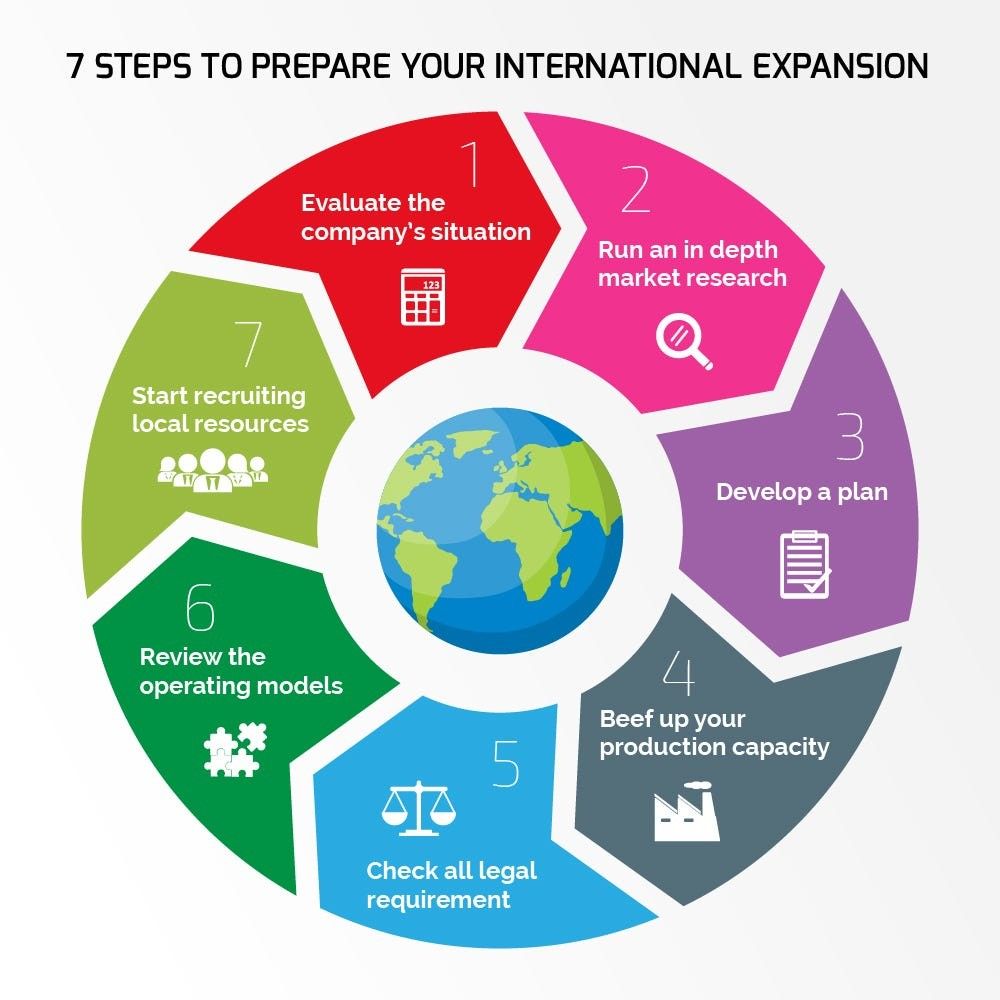
Procurement itself is a discipline that requires adjustment. Large GCC customers, particularly government-linked entities and regulated enterprises, tend to follow formal evaluation processes with detailed documentation and compliance checks. Winning these contracts depends as much on operational readiness as on product capability. Startups that invest early in standardizing contracts, service-level commitments, security documentation, and support models are better equipped to navigate these environments without repeated delays.
Customer success in the GCC also takes on a distinct character. Decision-making is often consensus-driven, involving multiple stakeholders across technology, finance, compliance, and business units. Long-term success depends on structured engagement, clear governance, and consistent delivery rather than rapid experimentation. For Indian founders accustomed to fast iteration and informal escalation paths, this can require a cultural shift toward more process-oriented execution.
Finally, financial operations can determine whether expansion strengthens or strains the core business. Payment cycles in the GCC can be longer, and cross-border banking arrangements add complexity to cash management. Startups that plan for collections, local banking, and working capital needs from the outset are more likely to maintain financial stability as they grow. In an environment where investors are increasingly focused on efficiency and predictability, disciplined operations become part of the credibility story.
As Indian startups look outward in 2026, the GCC stands out as a market where ambition must be matched by execution. The region rewards companies that approach expansion as a system-building exercise rather than a sales experiment. Those that succeed are not necessarily the most aggressive but the most prepared, treating compliance, partnerships, and operational design as strategic assets. For founders willing to build patiently and deliberately, the GCC offers not just access to new customers, but a pathway to becoming truly global businesses.
Also Read : Profitability Benchmarks: Key Financial Metrics Every MSME Should Track Before Scaling Nationally
Add businesssaga.in as preferred source on google – Click Here
Last Updated on: Thursday, February 5, 2026 11:17 am by BUSINESS SAGA TEAM | Published by: BUSINESS SAGA TEAM on Thursday, February 5, 2026 11:17 am | News Categories: Trending News, Startup News
About The Author


Leave a Reply