
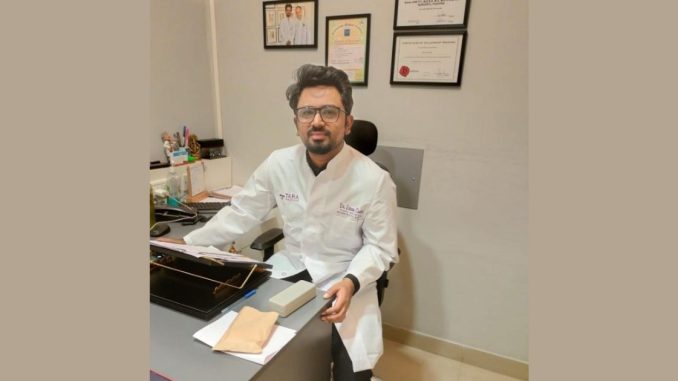
Diabetes-related foot complications are among the most serious yet preventable conditions affecting patients today. Despite medical advancements, delayed treatment of minor wounds continues to result in infections, prolonged hospital stays, and in severe cases, limb loss.
As a plastic and reconstructive surgeon, I often see patients at advanced stages of diabetic foot complications—when early intervention could have significantly changed outcomes. With timely care, structured treatment, and the right expertise, many of these complications can be effectively managed or even prevented.
Understanding Diabetic Foot Complications
Diabetes affects the body in multiple ways, particularly the nerves and blood vessels. Patients are more vulnerable to:
- Peripheral neuropathy (loss of sensation in the feet)
- Reduced blood circulation
- Delayed wound healing
- Increased susceptibility to infections
Because of reduced sensation, even minor injuries such as cuts, blisters, or pressure points may go unnoticed. Over time, these can develop into non-healing wounds, requiring specialized medical attention.
Why Early Intervention Is Critical
One of the biggest challenges in diabetic foot care is delayed diagnosis. Patients often ignore early warning signs, which may include:
- Persistent ulcers or wounds
- Skin discoloration or darkening
- Swelling, redness, or warmth
- Numbness or tingling
Seeking timely care at the early stages can significantly reduce complications, improve healing, and prevent progression to more serious conditions.
A Specialized Approach to Diabetic Foot Care
Effective management of diabetic foot conditions goes beyond basic wound dressing. It requires a multidisciplinary and structured approach, including:
- Advanced wound care techniques
- Infection management
- Pressure offloading strategies
- Vascular evaluation
- Reconstructive surgical support when necessary
To address this need, Paada Rakshane – Dr. Shetty’s Diabetic Foot & Wound Care Centre at Tara Healthcare has been developed as a dedicated facility focused on comprehensive diabetic foot and podiatry care.
The Role of Reconstructive Surgery
Plastic and reconstructive surgery plays a crucial role in managing advanced diabetic wounds. In many cases, timely surgical intervention can help avoid major complications.
Treatment options may include:
- Soft tissue reconstruction
- Skin grafting and flap coverage
- Infection control procedures
- Functional restoration of the affected area
With the right intervention at the right time, limb preservation becomes a realistic and achievable goal.
Prevention and Patient Awareness
Prevention remains one of the most effective strategies in diabetic foot care. Patients are encouraged to:
- Inspect their feet daily for any changes
- Maintain proper foot hygiene
- Use appropriate footwear
- Seek immediate care for even minor wounds
- Maintain good blood sugar control
Early awareness and proactive care can significantly reduce the risk of severe complications.
Final Thoughts
Diabetic foot complications can have a profound impact on a patient’s mobility and quality of life. However, with early diagnosis, structured care, and access to specialized centres like Paada Rakshane, outcomes can be significantly improved.
A proactive approach—combining medical expertise, patient awareness, and timely intervention—remains the key to effective management and long-term well-being.
Last Updated on: Thursday, March 26, 2026 3:18 pm by BUSINESS SAGA TEAM | Published by: BUSINESS SAGA TEAM on Thursday, March 26, 2026 3:17 pm | News Categories: Brand Post
About The Author


Leave a Reply